January’s third Monday, “Blue Monday”, is thought to be the most depressing day of the year.
This might be triggered by gloomy weather, post-Christmas debt, disappointment from not keeping New Year’s resolutions or dissatisfaction about going back to work.
Spoiler alert: None of this is actually true. Obviously, the darkest day of the year would be different for every one of us. Blue Monday is really just a clever PR ploy to sell holidays!
But there is truth in seasonal variations in our mental health. Bodily changes in the winter can also impact our hormones, sleeping, eating habits and even our mood.
So, in light of this trending calendar event, the Eggu team have put together some of the things we find are great to protect our mental health, both in January, and throughout the rest of the year.
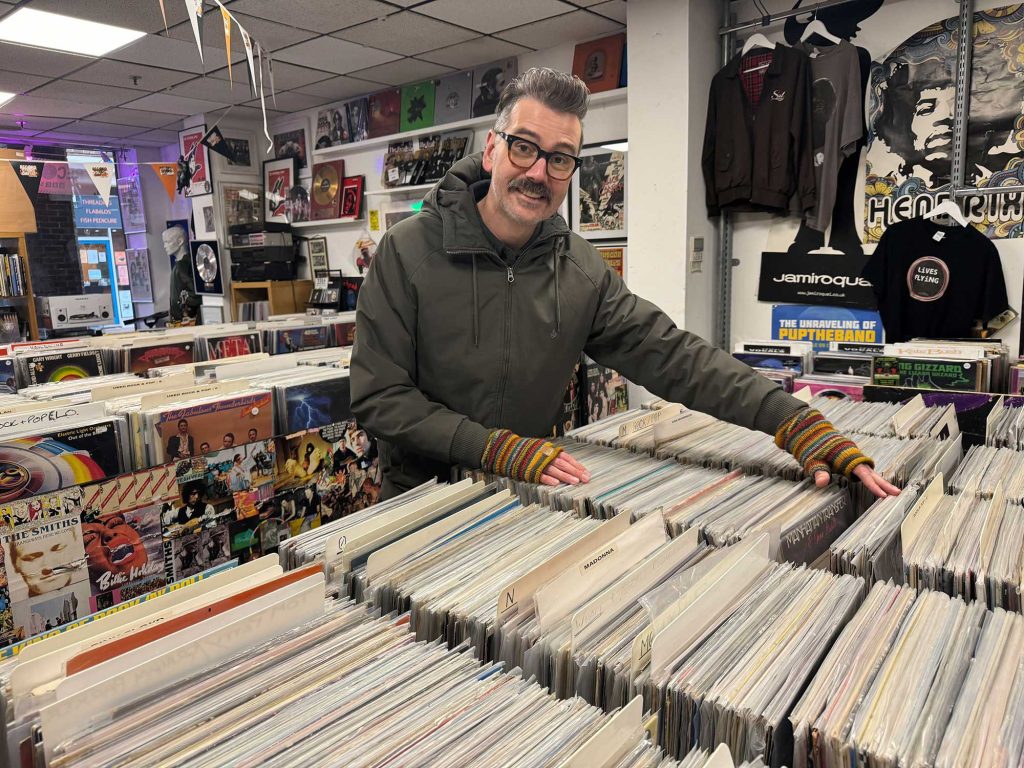
Mark – For the love of vinyl
Music has the power to evoke joy and create strong associations. Listening to a great album can trigger positive emotions and memories, releasing a dose of dopamine in the brain, which definitely helps me counteract any January blues.
As a graphic designer, I appreciate the artistic and physical aspects of vinyl, as records often come with visually appealing album artwork. Choosing a record, placing it on the turntable, and carefully dropping the needle is always a more satisfying experience compared to just pressing play on Spotify.
For me, streaming is more associated with background listening, whereas vinyl records typically require more effort and attention to play, allowing me to fully engage with the music.
Entering a record store or record fair, rummaging through crates of albums and finding a bargain or rarity evokes happy memories of my childhood which cannot be replicated by any algorithm Amazon tries to produce.
Kat – Just bloody wear it
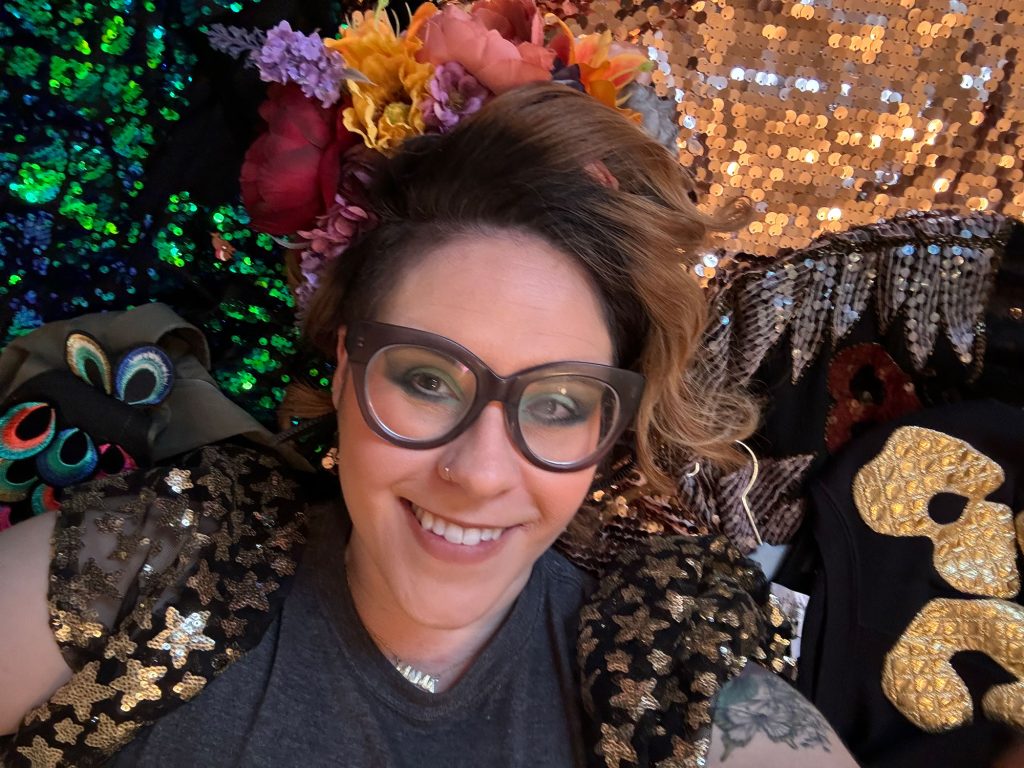
When I put on an outfit that makes me feel good… it’s like a rush of adrenaline. It gives me armour to tackle my day with confidence and positivity.
Even during lockdown, sat on Zoom after Zoom, pregnant and uncomfortable, there wasn’t a day I did not style a look and slap on some lippy. It seems crazy, but I even insist on a spritz of perfume before every video call. It makes me feel prepared and gives the meeting as much importance to me as if it were face to face.
You might think dopamine dressing always has to be bright colours and sparkle… it often is… but sometimes what you have a craving for might be a bit of grunge, DMs and a dark smokey eye. Whatever the outfit, if it’s captured and coordinated right, it has the mentally stimulating impact I’m looking for.
I’m a confessed shopaholic and huge supporter of independent brands. So much of my wardrobe I used to hold back for those special occasions. Those times we dress up for a social occasion to really feel glam and put together. But why do we lock away these items for fleeting moments each year? We should strive to capture that enthusiasm and self love every day.
In the words of my true fashion icon Dawn O’Porter… just bloody wear it! So I’m gonna!
Luci – Climbing the Scottish hills
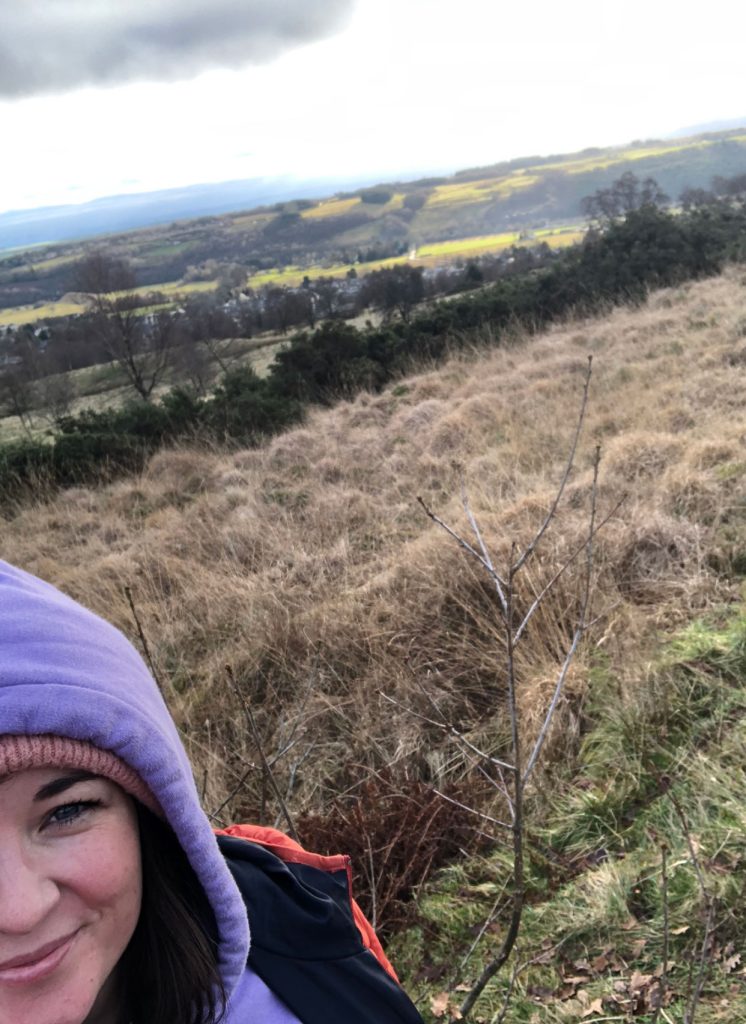
Putting one foot in front of the other and filling my lungs with fresh air is my go to.
When I feel anxious, or lonely or just a bit flat, I pull on my trainers and get out for a walk. Saying hello to people I pass and smiling gives me that little rush of endorphines. Breathing the fresh air deeply slows down my thoughts and steadies any angst.
Sometimes I get the tunes pumping, sometimes I listen to a podcast, or sometimes I just listen to the world. I always make sure to stop and look around me and take in the beauty – it makes me feel lucky to live where I do, and happy I made the choice to be here.
Amy – Kicking negative thinking to the curb
Mental health has been one of the most talked about things over the past couple of years and for me it has taken time to find something that can really make a positive impact to my mental health.
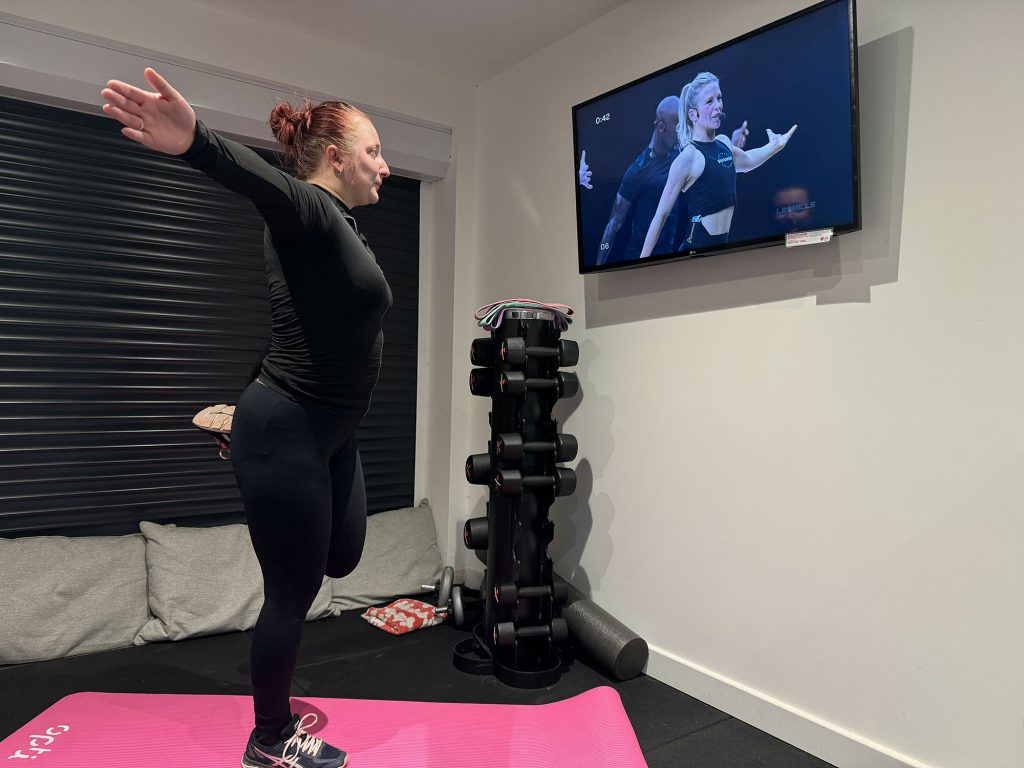
Then I found my kind of exercise… Body Combat! As well as really pushing myself and getting the strength and weight loss benefits, the endorphins I get afterwards has really helped boost my mood and get my days started off right with a clearer mind and more motivation.
I’m the better and happier version of me having found this way of boosting my mental health!
REMEMBER: It’s always important to distinguish between temporarily feeling down and experiencing depression or a mental health problem.
If you have concerns for your mental health and are looking to seek help and support, Mind is a great place to start.